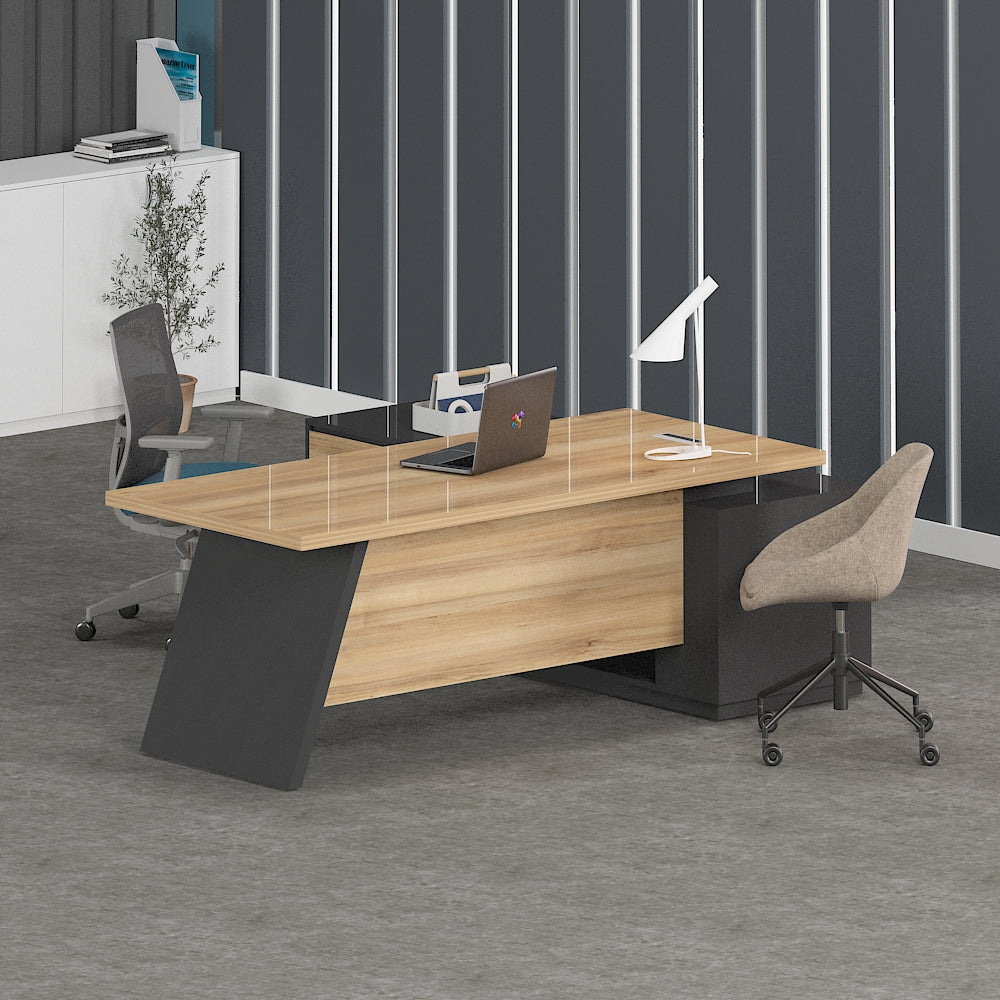
The design of managerial desks has changed significantly over the years, reflecting transformations in workplace culture, technological innovations, and design tastes. From the classic wooden desks of the yesteryear to contemporary streamlined styles, each design iteration tells a tale about the focuses and values of its period. As workplaces continue to transform to new needs and styles, the executive office table has turned into not just a functional object but a statement of business acumen and aesthetic quality.
In this exploration of executive desk designs, we will investigate various elements such as dimensions of executive desks, materials like wood and glass, and the increasing desire for all-purpose designs. Additionally, we will examine pricing trends in various locations, including the Nigerian market, the Philippine archipelago, Kenyan region, and Pakistani territory, as well as well-known brands like Herman Miller. Whether you are looking for an L-shaped executive table or a full office furniture collection with accessories, comprehending the development of these designs can aid you make an intelligent selection that enhances both the aesthetics and practicality of your office environment.
Historical Review of Executive Desk Styles
The progression of executive desk styles can be attributed to the majestic wooden tables of the 18th and nineteenth centuries, which typically showcased intricate carvings and luxurious finishes. These desks were merely functional but also acted as a status symbol, reflecting the affluence and power of the person occupying the office. They were typically large, robust, and made from solid hardwoods, showcasing durability and craftsmanship in a time when the industrial revolution was just beginning to affect furniture production.
As the twentieth century approached, executive desk styles began to adapt to suit modern office environments and changing work habits. The introduction of materials like metal and glass facilitated sleeker, more minimalist designs that aligned with the tastes of a quickly industrializing society. Desks became more functional, focusing on practicality while still providing an air of professionalism. Modular designs started to gain traction, enabling customization based on individual needs, promoting flexibility in business settings.
In recent decades, the rise of technology and remote work has also transformed executive desk designs. Today’s desks frequently incorporate built-in cable management, adjustable heights, and integrated tech features, all fostering a dynamic work environment. Additionally, ergonomic considerations have become paramount, with many designs offering specialized configurations such as L-shaped desks or standing options. This evolution reflects a shift towards creating more productive, comfortable, and aesthetically pleasing office atmospheres that meet the varied needs of modern executives.
Trending Resources and Designs
The choice of materials for corporate office desks has considerably progressed over the years. Traditional wood still is a favored option due to its endurance and everlasting charisma. Different wood species, such as maple, birch, and cypress, present various coatings and patterns, contributing charm to office spaces. In current styles, composite wood and laminate have gained interest for their cost-effectiveness and usability, delivering a refined look while being effortless to upkeep.
Aluminum has developed as a strong contender in modern executive desk arrangements, often used in conjunction with wood or glass. Steel and aluminum frames are popular for their sturdiness and sleek design, matching well in simple and factory-inspired offices. executive office table price in nigeria of glass tops brings sophistication and a notion of transparency, permitting better illumination circulation in the workspace while retaining an elegant look.
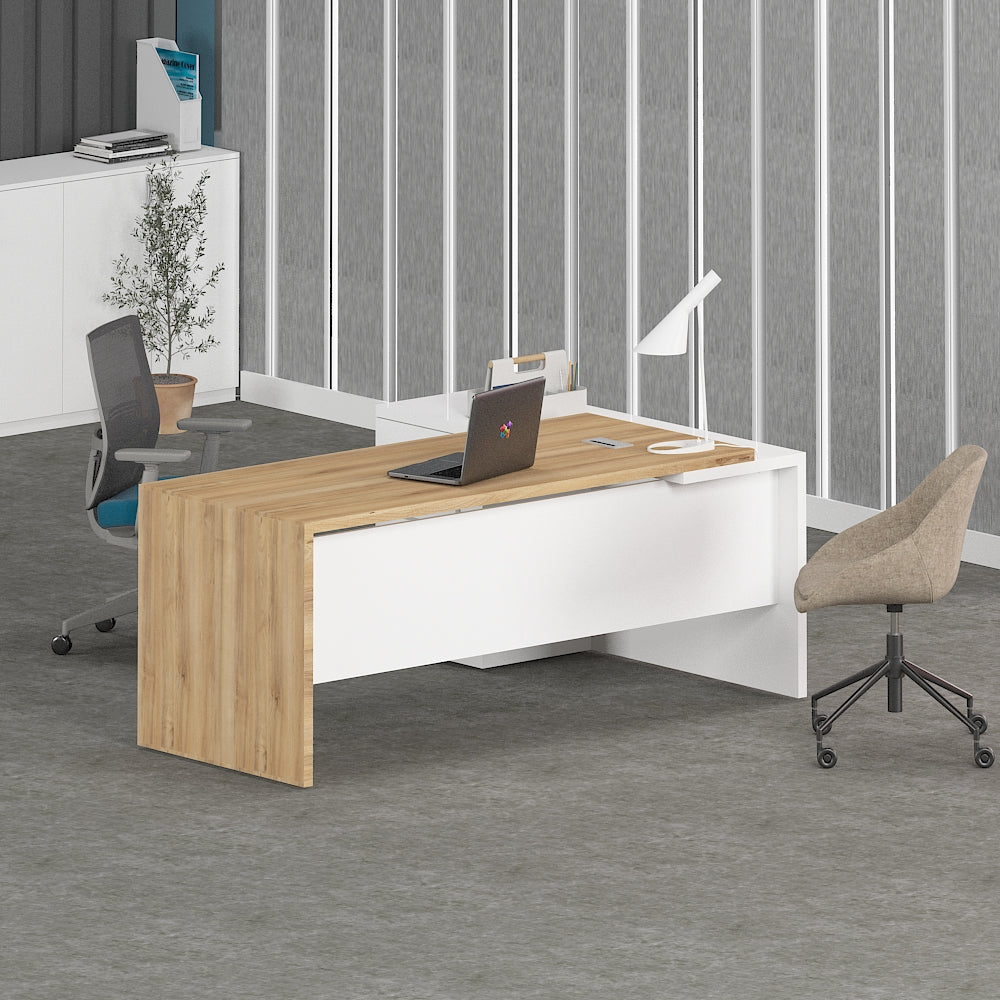
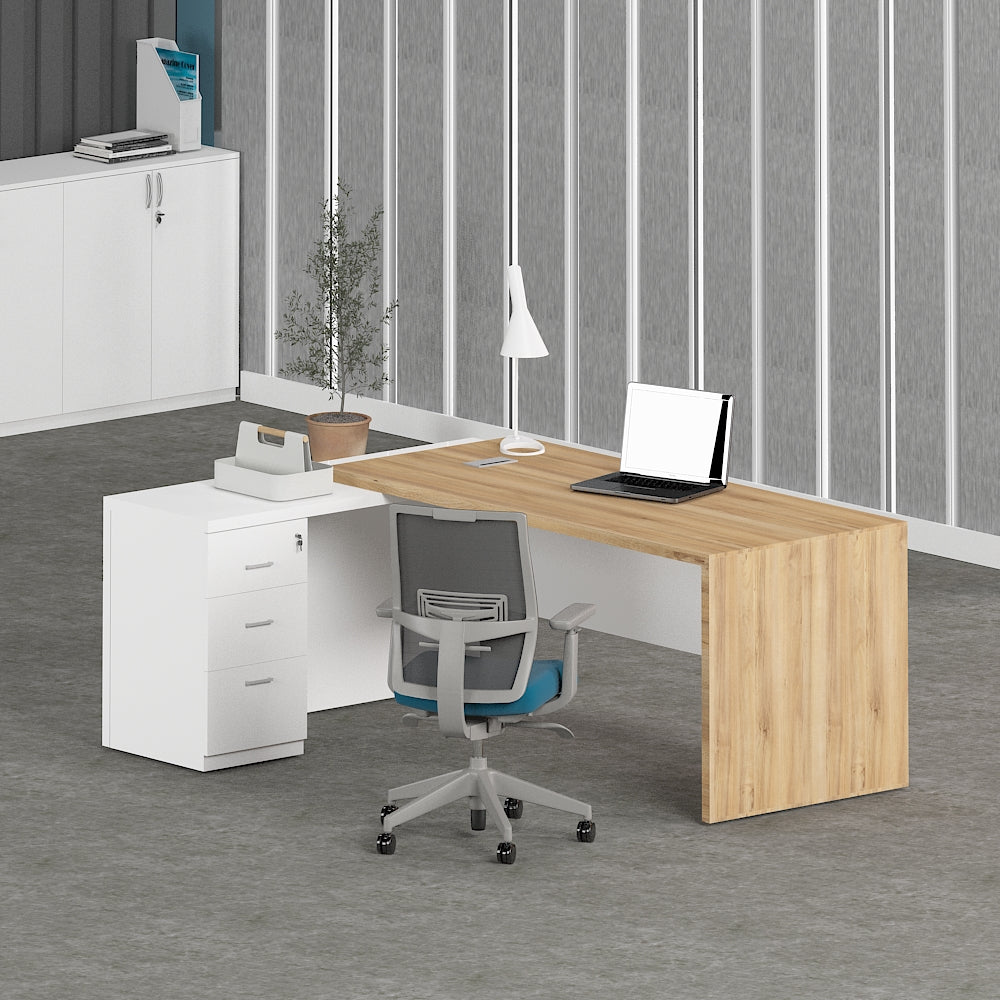
Forms of executive tables fluctuate greatly, spanning from traditional styles that display ornate elements and rich finishes to modern styles noted by clean lines and a more subtle look. L-shaped and U-shaped designs are also popular for their roominess, satisfying those who require additional space for collaboration and work. As styles keep to change, the mix of different materials and designs creates endless options for creating practical yet trendy executive workspaces.
Pricing Patterns and Market Insights
In the past few years, the cost of executive office tables has exhibited notable variability affected by factors such as material, design complexity, and brand reputation. For instance, wooden executive tables remain favored due to their classic aesthetic and durability, often fetching prices that represent the standard of workmanship. In markets like Nigeria, the price range for an executive office table can fluctuate significantly, making it crucial for buyers to understand the local market dynamics when making a purchase.
The rise of modern design trends has led to the introduction of new materials like glass and metal, transforming the pricing landscape. Executive office tables with glass tops are often positioned at a higher price point due to the assumed upscale appearance and contemporary appeal they offer. In contrast, traditional wooden tables may offer a range of prices based on size and design features, including those from renowned brands like Godrej, which maintain a strong presence in the market.
As preferences evolve, market insights suggest an growing demand for multifunctional executive office tables, particularly those that incorporate elements such as storage options and adjustable features. This shift has encouraged manufacturers to innovate, offering a wider range of products at competitive prices. In regions like the Philippine market and Kenyan market, understanding the local requirements and accessory choices can also play a crucial role in influencing the overall cost for an executive office setup.
Recent Advancements in Executive Desk Designs
Contemporary executive desks are integrating technology in innovative ways. With the rise of telecommuting work and mixed office models, desks are now being designed with integrated power outlets, USB ports, and wireless charging pads to meet the needs of the tech-savvy professional. Not only does this increase productivity, but it also simplifies the workspace, reducing the clutter of traditional wiring. These innovations create a continuous connection between work and technology, making it easier for executives to manage their tasks effectively.
Eco-friendliness is another important focus in the evolution of executive desk designs. Manufacturers are increasingly using eco-friendly materials and processes in their production, from reclaimed wood to low-VOC finishes. This trend not only appeals to environmentally conscious consumers but also matches with the broader movement towards corporate sustainability. As more companies recognize the importance of their environmental impact, the demand for furniture that embodies these values continues to grow, resulting in fashionable and ethical office solutions.
User comfort is a key theme in contemporary executive desks, with many designs emphasizing the health and well-being of users. Adjustable desks that allow for both sitting and standing options are becoming typical in many workplaces. These desks promote better posture, reduce fatigue, and enhance focus. Alongside new designs in shape and material, ergonomic considerations are reshaping how executive offices are furnished, ensuring that spaces are not only visually appealing but also beneficial of a healthy work environment.